Category: Advice

  • Dog paw pads – prevention and treatment

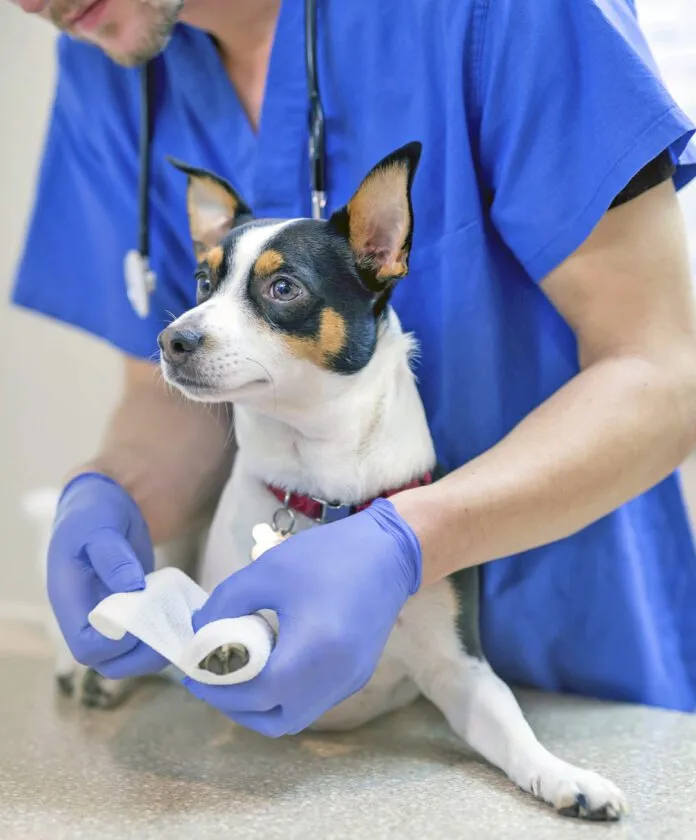
    Male veterinarian wrapping a small dogs paw with gauze

    Summer can be a difficult time for dogs as the ground gets hard, there are stubble field full of seeds; even walking along a grassy track a dog runs the risk of getting a seed in its paws.

    Not all problems require treatment by a vet.

    Weblink to an article about preventing and treating dog paw pad problems.

  • Galgos Catalunya – Adopting a dog with Leishmania

    What does adopting a dog with leishmaniasis entail?


    has an interesting article on adopting a dog with leishmania.

    In case the weblink does not translate into English for you, this is a translation from their website.

    Commitment, care, and hope

    Adopting a dog with leishmaniasis is not an act of pity, but of informed love and genuine commitment. Many of these dogs lead completely normal and happy lives if they receive proper care. However, it’s important that, as an adopter, you understand what this condition entails, especially in terms of veterinary care and finances, to ensure a successful and responsible adoption.

    What is leishmaniasis?

    Leishmaniasis is a chronic parasitic disease that primarily affects the dog’s immune system. It is not directly transmitted between dogs , and with proper treatment and follow-up, many animals can live for years with a good quality of life.

    What does this mean from a veterinary perspective?

    Adopting a dog with leishmaniasis requires:

    – Regular veterinary checkups , at least every 6 months, to perform blood tests and adjust treatment if necessary. – Monitoring of the dog’s overall health , especially kidney and liver function, as these organs can be affected by the disease. – Strict parasite control , especially against sand flies (the mosquito that transmits the disease). This includes special collars or spot-on treatments and avoiding walks at dawn and dusk during warm weather. – A balanced diet and, in some cases, special diets if there is kidney involvement.

    What expenses are involved?

    Costs may vary depending on the dog’s condition and the region, but generally speaking:

    – Blood tests every 6-12 months : between €40 and €100 per test. – Daily treatment with allopurinol (maintenance medication): approximately €10 to €20 per month. – During active phases or flare-ups , more intensive treatment with injections (miltefosine, glucantime, or other medications) may be necessary, representing an additional cost that can range from €150 to €300 per treatment . – Specific repellent collars or spot-on treatments : approximately €30 to €50 every 2-3 months.

    It is essential to keep in mind that leishmaniasis is not curable, but it can be controlled. Many dogs live for years without symptoms if they receive proper care.


    Adopt with awareness

    At our association, we seek homes where the commitment is genuine. Adopting a dog with leishmaniasis isn’t for everyone, and it’s perfectly fine if you decide you can’t take it on. The important thing is to be honest with yourself and with the animal’s well-being.

    If you decide to take this step, you’ll be bringing home a dog who has likely suffered a great deal, but who also has an enormous capacity for gratitude and love. With your help, he can have the dignified life he deserves.

    (more…)

  • From Heaven to Hell- the definitive guide to the Spanish Galgo

    If you are passionate about galgos then you need a copy of my definitive guide to the Spanish Galgo, which can be purchased on this weblink.

    All proceeds from the sale are donated to appeals for help with vet fees for sick and injured galgos.

  • Valerian root – is it a good calmer for dogs?

    I’m a great believer in natural remedies for my dogs and horses – apart from when they need antibiotics to kill bacteria!  So is valerian root a good natural remedy as a calmer for nervous dogs, or in special circumstances like thunderstorms and fireworks?

    Read the full article here.

  • Yo Galgo – how it all began

    Yo Galgo – how it all began.

    Video

  • Can dogs have a chicken allergy?

    Chicken is usually recommended, along with rice, as a good for dogs especially recovering after illness.  When I visited a shelter in Spain some years ago, raw chicken carcases were delivered from a chicken processing factory as food for the rescue dogs.  I regularly feed minced cooked chicken to my dogs without a problem.

    However, dogs can have allergies to certain foods just like humans.  so can they have a chicken allergy?

    Read the full article on this weblink.

  • Does your dog talk to you?

    Some dogs are more vocal than others.  I’m not talking about barking, whether it be as an alarm because someone is at the door, orbarking in play.  I’m talking about your dog talking to you.  My Podenco Rosie loves carrying one of her toys in her mouth, especially when I’ve been out and return home.  She nakes a lovely soft growly noise, tail wagging furiosly, for anything up to 2 or 3 minutes.  I love it, and of course talk back to her!

    Weblink to an article on dog talk.